
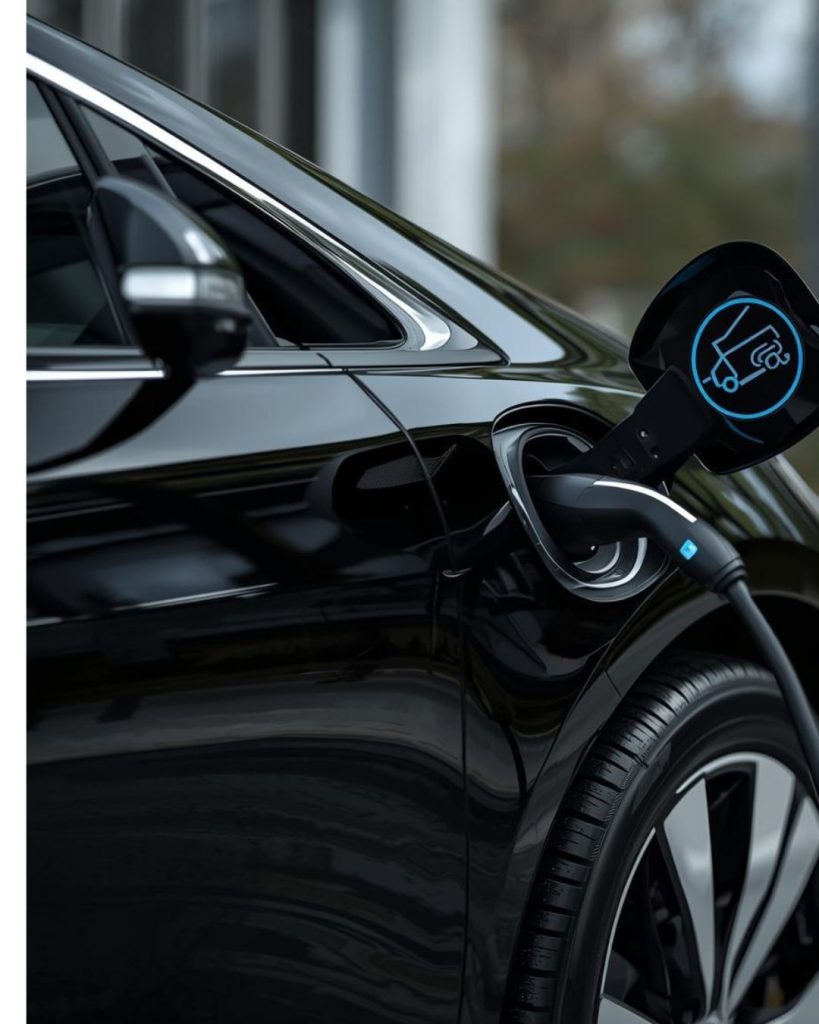
How Much Does It Cost to Install an EV Charger in Peterborough?
Installing a home EV charger is one of those purchases that pays for itself relatively quickly but feels like a significant commitment at the point of decision. You’ve already spent a considerable amount on the car — now there’s another cost before you can charge it conveniently at home. The three-pin plug that came with the vehicle works in the short term, but it’s slow, it’s not designed for regular overnight use, and most manufacturers advise against relying on it as a permanent solution.
A dedicated home charger is faster, safer, and cheaper to run than public charging. But how much does it actually cost to have one installed at your Peterborough home? This guide breaks down realistic prices, explains what influences the cost, and helps you understand what’s involved before you book an installation.
The Charger Unit Itself
The charger unit is the box that mounts on your wall or a post and delivers power to your vehicle. Prices vary depending on the brand, features, and whether the unit comes with a tethered cable or requires you to use your own.
Budget chargers from brands like Pod Point and Ohme start at around £350 to £500 for the unit. These are reliable, straightforward chargers that do the job well without unnecessary extras. They typically offer smart features through an app — scheduling charging for off-peak electricity rates, monitoring energy usage, and starting and stopping sessions remotely.
Mid-range chargers from brands like Easee and Zappi sit between £500 and £800. The Zappi is popular across Peterborough because it can integrate with solar panels if you have them, diverting surplus generation into your car rather than exporting it to the grid. The Easee is compact, well-designed, and expandable if you add a second charger later. Both offer full smart functionality and robust build quality.
Premium chargers and commercial-grade units can cost £800 to £1,200 or more, though for most domestic installations in Peterborough a mid-range unit delivers everything you need without overspending.
All domestic chargers in the UK are rated at 7kW, which is the maximum a single-phase electricity supply can deliver to a charging unit. This provides roughly 25 to 30 miles of range per hour of charging, meaning a full charge from empty takes eight to twelve hours depending on your vehicle’s battery size — comfortably overnight for the vast majority of drivers.
Installation Costs
The installation cost covers the electrical work needed to connect the charger to your home’s electrical system. This is where the price varies most significantly because every property is different.
A standard installation typically costs between £300 and £500 on top of the charger unit price. A standard installation means the charger is mounted on an external wall within a few metres of the consumer unit, the consumer unit has a spare way and sufficient capacity for the additional circuit, and the cable route between the consumer unit and the charger position is straightforward with no major obstacles.
Many properties across Peterborough’s newer housing — the estates in Grange Farm, Oxley Park, Brooklands, and the developments around Hampton — suit a standard installation because the consumer units are modern, the distances are manageable, and the cable routes are accessible.
A more complex installation costs between £500 and £1,500 on top of the unit, depending on the specific challenges involved. Factors that increase the installation cost include longer cable runs where the charger position is further from the consumer unit, requiring more cable and more labour to route it. Cable runs that need to pass through multiple walls, under floors, or across the exterior of the property add time and materials. Consumer units that are full and need additional ways, or older boards that need upgrading entirely to accommodate the new circuit. Properties where the main fuse or supply capacity is insufficient for the additional load, requiring an application to your energy supplier for a supply upgrade. Mounting the charger on a freestanding post rather than a wall, which involves groundwork, foundations, and ducting for the cable.
The majority of Peterborough installations fall into the standard or slightly above standard category. Most modern properties have consumer units with spare capacity, reasonable distances between the board and the driveway, and straightforward cable routes. Older properties in Wolverton, Stony Stratford, and Bletchley — or those where the consumer unit is at the front of the house and the parking is at the rear — are more likely to fall into the complex category.
Total Cost Summary
Combining the charger unit and installation, realistic total costs for a home EV charger in Peterborough break down as follows.
A budget installation — a reliable charger with standard fitting — typically costs between £650 and £1,000 all in. This suits homeowners who want a functional, smart charger without premium features, on a property where the installation is straightforward.
A mid-range installation — a quality charger like an Easee or Zappi with standard to slightly complex fitting — usually falls between £800 and £1,300. This is where most Peterborough installations land and represents the best balance between charger quality and overall cost.
A complex installation — any charger on a property requiring significant cable runs, consumer unit upgrades, or supply capacity work — can cost between £1,200 and £2,500 depending on the extent of the additional work needed.
What About Grants?
The government’s OZEV grant (Office for Zero Emission Vehicles) previously covered up to £350 towards home charger installation for most EV owners. The scheme has been revised several times and eligibility criteria have changed. Currently the grant is primarily available to renters and residents of flats rather than homeowners in houses with off-street parking. Your electrician should be able to confirm the current eligibility criteria and apply on your behalf if you qualify, reducing the net cost of the installation.
It’s worth checking the latest position before booking because the grant terms change periodically. Even without the grant, a home charger remains significantly cheaper per mile than public charging and pays for itself within one to two years for most drivers.
What Affects the Cost?
Beyond the charger choice and cable run distance, several factors influence the final price.
Your existing consumer unit matters more than most homeowners realise. A modern board with spare ways and adequate capacity accepts the new EV circuit without modification. An older board that’s full, lacks RCD protection, or doesn’t meet current standards may need upgrading as part of the installation. A consumer unit upgrade adds £300 to £600 but delivers broader safety benefits beyond just the charger — improved protection for every circuit in the house.
Your electricity supply capacity determines whether the additional load is feasible without modification. Most Peterborough properties have a 60A or 100A main fuse. A 7kW charger draws approximately 32A, which is a significant addition to your total household demand. If your existing consumption plus the charger exceeds your supply capacity, a load management device can be fitted to reduce the charger output when household demand is high, avoiding the need for an expensive supply upgrade. Most modern smart chargers include this functionality as standard.
The mounting location affects both installation complexity and daily convenience. A wall-mounted charger beside your driveway or parking space is the simplest and cheapest installation. If your parking is away from the house — a detached garage, a separate parking area, or the opposite side of the property from the consumer unit — the cable run is longer and may need underground ducting, which adds groundwork and materials to the cost.
Tethered versus untethered is a choice that affects the charger cost but not the installation cost. A tethered charger has a permanently attached cable — you simply plug it into your car. An untethered charger has a socket that you plug your own cable into. Tethered is more convenient for daily use. Untethered suits households with multiple EVs using different connector types, or where neatness matters because there’s no cable hanging on the wall when not in use. Tethered units typically cost £50 to £100 more than the equivalent untethered version.
The Installation Process
A standard EV charger installation typically takes three to four hours. The electrician assesses the consumer unit, runs the cable from the board to the charger position, mounts the unit, makes all connections, tests the circuit, and commissions the charger. You can usually charge your car the same evening.
The process involves fitting a dedicated circuit from the consumer unit with its own MCB or RCBO protection — the charger runs on its own independent circuit, completely separate from the rest of your household electrics. Earth rod installation is required for most EV charger circuits to provide additional earth fault protection alongside the protective device in the consumer unit.
Once installed, the electrician tests the circuit, verifies the charger is functioning correctly, and walks you through the app setup if the charger has smart features. You receive an electrical installation certificate confirming the work has been completed to current standards.
Running Costs
One of the biggest advantages of home charging is the cost per mile compared to public charging or petrol. Charging at home on a standard electricity tariff costs roughly 7 to 10 pence per mile depending on your vehicle’s efficiency and your electricity rate. On a dedicated EV tariff with cheaper overnight rates — available from several energy suppliers — this drops to around 3 to 5 pence per mile. By comparison, petrol costs approximately 15 to 20 pence per mile for an average car.
For a typical driver covering 10,000 miles per year, home charging on an EV tariff saves roughly £1,000 to £1,500 annually compared to petrol. The charger installation pays for itself within the first year or two and continues saving money every year after that.
Getting Started
If you’re considering a home EV charger at your Peterborough property, get in touch for a free assessment. We’ll check your consumer unit capacity, assess the best cable route and charger position, recommend a charger that suits your needs, and provide a clear, all-in quote covering the unit and installation with no hidden extras.